

How To Set Up Style Sheets In Indesign
This chapter is from the book
Style Sheets
Get Rid of the Plus Sign (Local Formatting)
| | I practical a style sheet to some text, but some or all of the text didn't modify to match the paragraph style. And there's a "plus" symbol after the way canvass proper name. |

| | The plus symbol ways that the text has local formatting (manual formatting) "on top" of the formatting practical by the style canvass. (Note: The plus symbol merely appears when such locally-formatted text is function of a text selection, or your insertion point is blinking within it.) InDesign retains local formatting even when text is linked to a style sheet because it thinks that's what you want. |

To clear local formatting from a selected paragraph, returning the paragraph to its base style sheet, Option/Alt-click on the Paragraph Way proper name. Information technology's an all-or-naught suggestion, though. You tin't utilise this method to clear out local formatting you don't want, but retain local formatting such every bit occasional bolded or italicized type that you practice want.
In InDesign CS2 yous have a fleck more than control: To remove all local formatting, click once on the Clear Overrides in Selection push in the Paragraph Styles or Command palette. To remove simply the local character formatting (leaving any local paragraph formatting), Command/Ctrl-click on the Articulate Overrides button. To remove simply the local paragraph formatting (leaving the character formatting), Command-Shift-click/Ctrl-Shift-click on this button.
Past the way, the same matter applies to Character Styles, if you see a plus symbol next to a Graphic symbol Fashion name. To return selected text to its base Character Manner, Choice/Alt-click on the Graphic symbol Style name. That will simply "clear out" the local formatting applied to that selected text. Your paragraph may take other instances of text linked to a Character Style, with local formatting also applied to it, that y'all'll accept to hunt down.
Really Remove All Formatting
| | Okay. Following the instructions higher up, I Option/Alt-clicked on the paragraph style proper name, just I'g withal seeing some instances of text in the paragraph with different formatting! And there is no plus sign side by side to the style sheet name. |
| | Elementary, my dear Watson: Some characters in the paragraph take Character Way sheets applied. (Fifty-fifty if you didn't create Character Styles, they might have been practical in the word processor and imported with the text when you lot placed information technology. Microsoft Word is notorious for this.) InDesign doesn't ascertain character styles every bit local formatting, and so the paragraph mode proper name has no plus sign afterward it. |
To clear but Character Manner links —but non local formatting — from a paragraph, select all the text in the paragraph and Option-Shift/Alt-Shift-click on [No Character Style] in the Character Styles palette (or click once on "[None]" in CS2). To clear all local formatting and any character fashion formatting from a selection, returning it to its base paragraph style formatting, Selection-Shift/Alt-Shift-click on the paragraph mode sheet name.
Reformat Text to [No Paragraph Fashion]
| | To starting time fresh, I'd similar to strip out any and all formatting that's been practical to my text; whether past style sheets or local formatting. With the text selected I click on [No Paragraph Manner] in the Paragraph Styles palette, expecting to see the text revert to InDesign's default formatting. But that'south not what happens, is information technology. The text doesn't change at all! |
| | All that happens when you click on [No Paragraph Style] in InDesign CS is that the paragraph style definition gets turned into local formatting. Text tagged with character styles maintain its link. Very ofttimes that's exactly what yous desire to practise. Okay, non so often, simply it's nice to know you lot tin exercise it. |
In InDesign CS2, Adobe took away the [No Paragraph Style] choice in the palette. However, they added a feature called Break Link to Style in the Paragraph Styles palette card which does the same matter.
To suspension the link to all user-defined manner sheets — Paragraph and Graphic symbol ones — and remove all local formatting from the text in ane swoop, select the text and hold downwards Selection-Shift/Alt-Shift every bit you click on [No Paragraph Style] (or [Basic Paragraph Way] in CS2). There you go, your text is as fresh and innocent equally a newborn babe (Effigy iii-xiii).
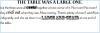
Figure 3-13 You tin return crazy formatting to normalcy past selecting the sickly paragraphs and property down Pick-Shift/Alt-Shift while clicking on [No Paragraph Fashion] (or [Basic Paragraph Style] in CS2).
Dreaded Pink in Imported Files
| | Our publication gets Microsoft Word files from various authors that we have to identify into our layout. On occasion, chunks of text appear "pinked out" and in the wrong font. What'due south going on? |
| | Pink is InDesign's manner of telling the designer that it tin't observe the font specified and is using a substitute font instead. Perhaps the author applied a font that you don't have, or practical a character style that calls for a font yous don't take or that doesn't really exist (similar Symbol Italic). You could plough off the Highlight Substituted Fonts checkbox in the Composition panel of the Preferences dialog box, but that doesn't help set up the problem. |
Place the text cursor in the pink text and bank check the Character Style palette to see if in that location's a grapheme style practical. If so, alter the style definition to reverberate the proper font. If no grapheme style is practical, then apply Blazon > Find Font to change the font.
Plus Signs on All Imported Text
| | I've imported a Give-and-take Doc or RTF file, but the formatting is all wrong and when I endeavor to apply one of my paragraph styles, the incorrect formatting doesn't get away. |
| | If y'all place the cursor in the text and look at the Paragraph Styles palette, you'll probably see a plus sign next to the way proper name. That means there'due south local formatting on tiptop of the underlying style definition. The virtually common reason for this is that the writer or editor selected a bunch of text in Word and applied local formatting (similar irresolute the font and size to something more than pleasing to them) rather than redefine the underlying style definitions in Word (which is what they should have done). |
Unfortunately, this kind of massive "plus-symbol infestation" can be complicated to become rid of. One solution is to place the cursor in the offending paragraph (or select a cord of similarly-styled paragraphs) and Choice/Alt-click on the way name in the Paragraph Styles palette. This strips away all local formatting but leaves applied character styles. If y'all use Option-Shift/Alt-Shift-click, information technology strips away both local formatting and character styles.
Yes, you lot accept to do this once each time the manner changes in your document. And aye, you lot lose the italic or bold formatting that yous were hoping to keep. Sigh.
Here'south a amend choice: Figure out what local formatting the Discussion-user practical and become rid of it — either in Word or in InDesign.
- To see what local formatting has been applied in InDesign CS2, hover the cursor over a style in the Paragraph Styles palette that sports a plus sign. The "tool tip" that appears after a moment shows the local formatting the plus sign refers to.
If yous're using CS, Option/Alt-click on the New Paragraph Manner button in the Paragraph Styles palette. Then look at the Style Settings section of the New Paragraph Style dialog box; the stuff after the plus sign is the local formatting. Click Cancel to close the dialog box without saving this style.
- Now select the text and apply the "proper" local formatting. For example, if the author had applied Courier to all the text but InDesign's style definition calls for Palatino, then apply Palatino on top of the Courier.
As soon as the text formatting equals the style definition, the plus sign goes away.
So, go shake some sense into the writer or editor, explaining advisedly that local formatting is a no-no except in case of national emergency. Bold and italic local formatting is fine, merely only when there is no other local formatting on the text. They should change mode definitions instead.
Save Your Bold and Italic Text
| | Sadly, I've been reduced to the Option-Shift/Alt-Shift-click method of removing an author'southward unwanted formatting. But I'chiliad losing all the italic text showing emphasis, and the editors are yelling at me. I hate information technology when they yell. |
| | InDesign CS2 has a clever petty feature that lets you remove all the paragraph formatting from text while leaving the character formatting. So if you're trying to get rid of paragraph formatting such as indents, you can Control-Shift/Ctrl-Shift-click on the Clear Overrides button at the bottom of the Paragraph Styles palette. Unfortunately, the chances that the author but applying local paragraph formatting to text is well-nigh the same as pigs flying to the moon. |
Which leaves us with the problem of being able to retain the writer'southward right use of local assuming, italic and bold/italic text.
Hither's one solution:
- Create a grapheme style for each kind of local formatting you want to hold on to. For example, one character fashion that makes text italic, another for bold, so on.
- While yous're looking at your Character Styles palette, select and delete whatever unwanted styles that were imported from the Give-and-take file that yous didn't already have in your InDesign template (you can identify them by their disk icon). When you delete a Mode Sheet, text that is formatted because of it retains the aforementioned formatting, simply it's at present defined as local formatting. (InDesign CS2 asks you if you want to replace the deleted way with some other one; in this case, you want to replace it with "No Paragraph Style" and leave the "Preserve Formatting" selection on.)
- Open the Find/Change window from the Edit card. Click the More than Options button to reveal the Find Format and Change Format areas.
- In Detect Format Settings, click the Format push and specify the local formatting that matches one of the author's local formats you desire to go on (that you created a grapheme fashion for). For example, choose Times Bold in the Bones Character Formats section.
- In Modify Format Settings, click the Format button and cull the name of the Character Style that yous created for this instance.
- Run the Observe/Alter then that all instances of the author's local formatting gets the advisable character style applied. Practice this for each character style you created in Footstep one, then shut the Find/Modify window.
- At present apply your paragraph styles to each paragraph in your document, but agree down the Option/Alt central held downwardly every bit you click on the way proper noun.
Result: All stupid local formatting is stripped except for the stuff y'all want (the stuff that had graphic symbol styles applied).
Plus Signs in Give-and-take Files Revisited
| | I've tried removing the local formatting from imported Word documents; I've tried redefining my styles. I only accept a few strands of hair left and I've emptied my canteen of aspirin. The plus sign won't go away. |
| | Okay, endeavor this one on for size. Unfortunately, InDesign sometimes chokes if Discussion's paragraph styles are based on the Normal style, or grapheme styles are based on Underlying Paragraph Properties. Redefining Give-and-take's way definitions before importing the file into InDesign can often aid: |
- Open the original Give-and-take document in Microsoft Give-and-take.
- Choose Format > Style, and in the resulting Style dialog box, modify the List popup carte to "Styles in Utilise."
- Click each style in turn and wait at the Clarification area in the dialog box. If you select a paragraph style and run into the phrase "Normal +" in at that place, or if you select a graphic symbol style and see "Default Paragraph Font +", click the Alter button.
- If it's a paragraph style, the Based On Style popup menu in the Modify Style dialog box volition read "Normal." Change "Normal" to "(no manner)" (it'due south at the very top of the popup menu; Figure 3-14).

Figure 3-14 Changing a Give-and-take document'due south based-on styles to "no style" (in Word's Format > Styles dialog box) earlier placing the file in InDesign often fixes "plus sign" woes.
If it's a character style, the Based On Style popup menu will read "Default Paragraph Font." Change it to "(underlying properties)."
- When you've updated all the style definitions, close the Style dialog box and salvage the file under a different name.
Now when y'all place this Word md into your layout, see if the plus signs go away.
Also Many Styles Are Imported
| | When I import a Word document into InDesign, I get a bunch of unwanted paragraph and character styles — all kinds of stuff that isn't actually applied to any text simply appears in the palette anyway. |
| | Often these paragraph styles announced because some other paragraph style references them. For example, if you have a "Ahead" style in Give-and-take that is based on "Heading one," and so when yous import a file that has an "Alee" paragraph, the "Heading 1" style will announced, too, fifty-fifty though it's not applied to any paragraphs. The best thing yous tin can practice is go back to Word and redefine those styles and so that they're based on "No Style." |
If you're using InDesign CS2, you should bank check to brand certain that the Import Unused Styles checkbox is not turned on in the Microsoft Word Import Options dialog box. When this feature is on, you'll always become all those unused styles.
If you have a lot of unused styles in your Styles palettes that you lot want to go rid of, cull Select All Unused from the Paragraph Styles palette and click the Delete Selected Styles button at the lesser of the palette. Now repeat with the Grapheme Styles palette.
Base a Paragraph Fashion on a Graphic symbol Style
| | Before we moved to InDesign, nosotros commonly based most of a publication's paragraph styles on i or another "root" graphic symbol style. To quickly alter the text specs of a related group of paragraph styles, all we had to practice was edit the single Character Style they were based on. |
Even so, in InDesign's Paragraph Manner Options dialog box, I can't find a place to specify the Character Manner sheet.
| | Sorry, but you might as well stop looking. Information technology's not there. Character specs are always individually spelled out in each and every paragraph style. The but matter you tin can base a paragraph style on is some other paragraph style. |
There is a sneaky way to get what you want, though. Add a Nested Style to your paragraph fashion that applies the Character Manner you lot want. For a stop character, enter something that doesn't exist in the normal text catamenia of any story, such as "Department Marker" or a single bizarre character similar the infinity symbol.
Since InDesign never encounters the stop character, the Character Way is applied throughout the entire paragraph.
Adding the same sort of Nested Style to a group of related paragraph styles results in the "Based on Graphic symbol Style" office that you're looking for. That is, editing the single Character Mode sheet results in all the paragraphs which "nest it" to be updated with the new character specs.
If you ever need a particular paragraph or two to employ its "existent" grapheme formatting instead of the nested one, just insert the special grapheme "Terminate Nested Style Here" (Type > Insert Special Character) before the first character of the paragraph.
Import a Subset of Style Sheets
| | The "Load Paragraph Styles" command in the Paragraph Styles palette doesn't give me the opportunity to choose which paragraph styles to import from another InDesign certificate. All of them come over, fifty-fifty if I need just a couple. |
| | To bring over merely a few style sheets from some other InDesign document, try one of the following: |
- In the source certificate, select some text that's styled with the style(south) you want to import; copy it to the clipboard, and paste it into the target document, perhaps in a text frame on the pasteboard. Whatsoever styles practical to that text are added to the electric current document's Styles palettes. Y'all can delete the text you pasted; the style sheets remain.
- In the source document, elevate a text frame containing styled text to an InDesign library (File > New > Library). To "import" those styles to any other certificate, just drag the library particular into the layout, expect a 2nd while the Styles palettes update, then delete the frame from the layout.
- Apply InDesign CS2. The Load Paragraph Styles from the Paragraph Styles palette menu (or Load Graphic symbol Styles from the Grapheme Styles palette card if you want character styles) lets you choose which styles yous want. In CS2, if you lot desire all the styles, then you accept to cull Load All Styles from the palette menu.
Edit a Way Canvas Without Applying Information technology
| | When I'yard working in a text frame and desire to change a style canvas that's not the active one — for example, I'm working in some trunk text and decide I need to tweak the subhead way — I always forget that double-clicking that style sheet in the palette will apply it to my paragraph. Very annoying! |
| | Deselect All kickoff (Edit > Deselect All; or Command/Ctrl-Shift-A). Since nothing is agile, there's nothing InDesign tin can affect. Unfortunately, considering nothing is selected, this besides sets the document'southward default fashion to the one you edited, and then every new text frame you create from now on will get that way applied to it (if you lot forget to click on the default mode when you're done). Dang. |
Here are two better ways to edit styles: Hold downwardly Command-Shift-Option/Ctrl-Shift-Alt while yous double-click the mode canvas. Or correct-click (Control-click with a ane-button mouse) on the style canvass name and choose Edit "[name of style sail]". Neither of these methods will apply the edited style to the agile option or change the default style for that document.
Get What You lot Await When Placing Text
| | Sometimes when I place a text file into an existing frame, it takes on a very foreign formatting. For example, the whole story might get one of my character styles applied to information technology. |
| | The problem has to do with default styles. Text frames can have a default fashion (such every bit if a fashion was applied to the master page text frame). Try clicking inside the empty frame with the Blazon tool and have a gander at the Paragraph Styles and Character Styles palettes. Both should have [No Mode] selected by default. (In InDesign CS2, the Paragraph Styles palette should have [Basic Paragraph] selected and the Character Fashion palette should accept [None] selected.) |
If some other style is chosen, click on No Style/Basic Paragraph/None, and effort placing the file once more.
If yous still have the problem, your document might have default styles. Deselect everything (Command-Shift/Ctrl-Shift-A) and look at the two style palettes. Make sure No Style/Basic Paragraph/None are chosen here, too.
Of form, the weird formatting may exist appearing because that's how the text was formatted in the originating application, and you've elected to retain the formatting. If you want to strip out all formatting, cull that setting in the Import Options dialog box when you place the file.
Re-Sort Style Sheet List into Alpha Order
| | I but noticed that the paragraph style names in my Paragraph Styles palette aren't in alphabetical order. InDesign has no "Sort" command for style sheets, nor volition information technology let me rearrange them myself by dragging, like I tin can in the Swatches palette. I have a ton of styles here and it's really cramping my manner! |
| | This is a known bug with some InDesign 2 files converted to InDesign CS. The set is simple: Double-click any of the style sheets, make a single change to whatsoever of its settings (even the name), and click Okay to save your edits. The list of fashion sheets re-sorts into alphabetical order. You tin go back and opposite your modify now if you lot want. |
Add together a Keyboard Shortcut to a Style Sheet
| | None of the keys I press in the Shortcut field (the i in the Style Options dialog box for mode sheets) will "take." No matter what combination I attempt, all I get is my estimator's error beep. |
| | InDesign is fanatically picky almost which keys you tin utilise in this field. It has to be any combination of your modifier keys (Shift, Option or Command on a Mac — the Control key won't piece of work; or Shift, Alt or Ctrl on Windows) and one number from your keypad — the numbers running across the top of the regular keys won't work. |
If you're using these keys and it's even so not working, check your Num Lock cardinal on your keyboard and brand certain it'due south turned on. That should do the trick.
Then, if you really want your shortcut to be something like Command-Pick-Shift-R, you can use a macro program similar QuicKeys to map this shortcut to the keypad shortcut.
Note that the Quick Apply feature in InDesign CS2 has radically reduced the need for applying shortcuts to styles. Just press Control-Render/Ctrl-Enter and blazon a few characters from the fashion proper name. For example, Quick Utilize is smart plenty to know that if you lot type the number ii, it should display styles named "2Head", "Head2", "Body2List" and anything else with 2 in information technology. Utilise the Up and Downward Arrow keys on your keyboard to select the one you want and printing Return/Enter to select it. Very fast, very efficient.
Source: https://www.peachpit.com/articles/article.aspx?p=415190&seqNum=5
0 Response to "How To Set Up Style Sheets In Indesign"
Post a Comment